














jnic crack work
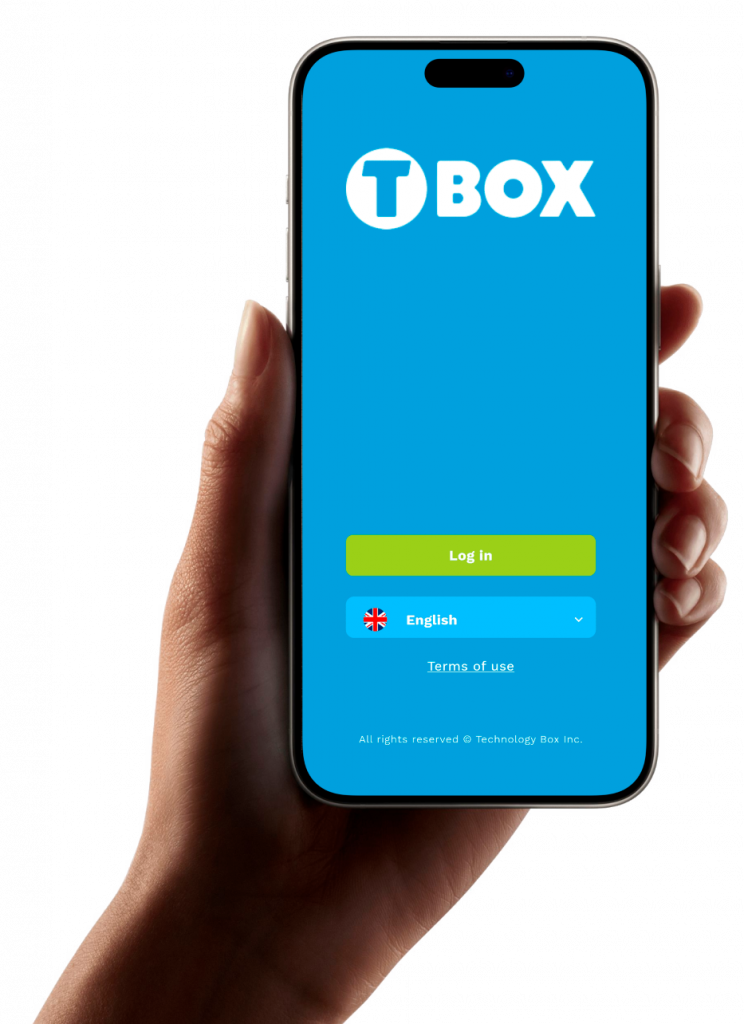
Mano sosteniendo un iphone mostrando la nueva app de TBox como una de las apps educativas lider en el mercado.

Jnic Crack Work !full!

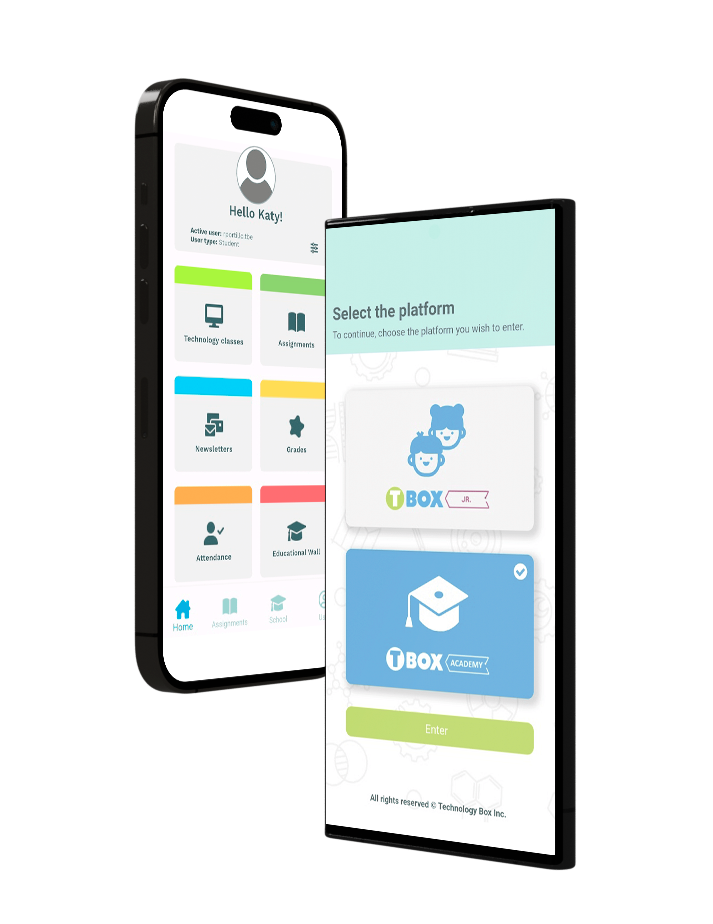
An all-in-one tool that allows families to stay informed and connected with academic progress and school activities in real-time.

New TBox App Launch!

Play Video

TBox App: Principal Services

jnic crack work

Newsletters

Receive institutional newsletters through the app.
jnic crack work

School Calendar

View activities from one central location.

jnic crack work

Grades and attendance

Review and edit grades and class attendance.

jnic crack work

Technology lessons

View technology lessons from your mobile device.

jnic crack work

News Wall

View the updates.

jnic crack work

News

Find the most relevant news from your school.

jnic crack work

School Assignments

Check the details of your assignments.

jnic crack work

School Assignments

Check the details of your assignments.

App Keypoints

jnic crack work

Registered Users

Students, teachers, and parents who have an active TBox account.

jnic crack work

Content generation

TBox App serves as the platform. Content is generated by each educational institution.

jnic crack work

Multi-user

Combination of accounts within a single installation. You can manage multiple accounts from the same device.

jnic crack work

Availability

TBox App is available for smartphones running Android, iOS, and Huawei OS.

Testimonials

“The TBox App is designed to facilitate communication and streamline the reception of information. Parents tell us that whether they’re at work or traveling, they can stay informed about everything teachers send them. The advantage is that it’s very user-friendly and makes great use of its functionalities.”

jnic crack work

Prof. Tatiana Campos

Centro Educativo Bilingüe Sonny – Costa Rica

The analyst loads the native library ( .dll or .so ) into a disassembler like IDA Pro, Ghidra, or Cutter. They look for the exported JNI functions, which usually follow a strict naming convention, such as Java_package_name_ClassName_methodName . They set breakpoints using debuggers like x64dbg, GDB, or LLDB at the entry point of these native methods. By stepping through the assembly instructions, they locate the conditional jumps (e.g., JZ / Jump if Zero, JNZ / Jump if Not Zero) that dictate whether a license check passed or failed. 3. Binary Patching

: Tools like Frida or Xposed can be used to "hook" or intercept the communication between the Java Virtual Machine (JVM) and the native library. By watching the data passed through the JNI bridge, an analyst can reconstruct the program's logic without needing to read the C code.

Yes, while it is used by malware authors, it is first and foremost a commercial tool designed to help legitimate developers protect their intellectual property, such as proprietary algorithms or premium plugins for platforms like Minecraft servers.

Drafting content around a "crack" for this tool typically involves discussing one of the following perspectives: 1. For Software Security Analysts (Research & Bypassing)

"JNIC" commonly refers to a , a tool used to protect Java applications by translating compiled bytecode into native C code. This process, often used in software obfuscation, makes it significantly harder for reverse engineers to decompile or modify the original application.

The tool operates by translating Java methods into their native JNI equivalents. Transpilation

Modifying the JNI can potentially introduce security vulnerabilities, especially if the changes bypass security checks or allow for the execution of arbitrary code.

Reversers simply monitor the OS temporary file directory or intercept file creation calls to copy the .dll or .so out before the application exits and deletes it. Hooking JNI_OnLoad and Memory Dumping

To "crack" JNIC (a Java-to-Native transpiler/obfuscator), reverse engineers typically target the way it transforms Java bytecode into C++ code using the .

Reverse engineers hook these specific JNI functions using tools like Frida or native hooking libraries (like MinHook or Detours). By logging every time the native library calls GetFieldID or CallBooleanMethod , an attacker can map out exactly what the native code is doing on the Java side. If a JNIC-protected application checks a license key and calls a Java method to set isPremium = true , the attacker does not need to understand the native math; they just hook the function and force the JVM to receive true . 2. Native Dynamic Analysis and Debugging

Do you need advice on to pair with it?

Engaging in JNIC crack work is a serious crime under Japanese law, specifically the Unauthorized Computer Access Law and the Penal Code provisions on electronic sabotage. Penalties include imprisonment for up to three years or fines exceeding one million yen. Beyond legal consequences, such actions threaten the stability of Japan’s DNS infrastructure, potentially causing widespread service disruptions, domain hijacking, or data leakage of sensitive allocation records. Ethically, cracking work violates the fundamental principles of responsible disclosure and the social contract that underpins internet governance. Legitimate security researchers report vulnerabilities through JNIC’s bug bounty or coordination channels rather than exploiting them.

The runtime environment executes a standard System.load() call to link the library.

: In some cases, native code can run faster for specific tasks.

The final hurdle was a certificate verification step. The tool checked the signatures of the JAR file it was processing. To solve this, the researcher forced the program to ignore its own check and simply return the original JAR's certificates, allowing the program to run without throwing any exceptions.


Discover everything that TBox app has for you!

Get the app:

jnic crack work

Stay tuned with our latest news

Jnic Crack Work !full!

The analyst loads the native library ( .dll or .so ) into a disassembler like IDA Pro, Ghidra, or Cutter. They look for the exported JNI functions, which usually follow a strict naming convention, such as Java_package_name_ClassName_methodName . They set breakpoints using debuggers like x64dbg, GDB, or LLDB at the entry point of these native methods. By stepping through the assembly instructions, they locate the conditional jumps (e.g., JZ / Jump if Zero, JNZ / Jump if Not Zero) that dictate whether a license check passed or failed. 3. Binary Patching

: Tools like Frida or Xposed can be used to "hook" or intercept the communication between the Java Virtual Machine (JVM) and the native library. By watching the data passed through the JNI bridge, an analyst can reconstruct the program's logic without needing to read the C code.

Yes, while it is used by malware authors, it is first and foremost a commercial tool designed to help legitimate developers protect their intellectual property, such as proprietary algorithms or premium plugins for platforms like Minecraft servers.

Drafting content around a "crack" for this tool typically involves discussing one of the following perspectives: 1. For Software Security Analysts (Research & Bypassing) jnic crack work

"JNIC" commonly refers to a , a tool used to protect Java applications by translating compiled bytecode into native C code. This process, often used in software obfuscation, makes it significantly harder for reverse engineers to decompile or modify the original application.

The tool operates by translating Java methods into their native JNI equivalents. Transpilation

Modifying the JNI can potentially introduce security vulnerabilities, especially if the changes bypass security checks or allow for the execution of arbitrary code. The analyst loads the native library (

Reversers simply monitor the OS temporary file directory or intercept file creation calls to copy the .dll or .so out before the application exits and deletes it. Hooking JNI_OnLoad and Memory Dumping

To "crack" JNIC (a Java-to-Native transpiler/obfuscator), reverse engineers typically target the way it transforms Java bytecode into C++ code using the .

Reverse engineers hook these specific JNI functions using tools like Frida or native hooking libraries (like MinHook or Detours). By logging every time the native library calls GetFieldID or CallBooleanMethod , an attacker can map out exactly what the native code is doing on the Java side. If a JNIC-protected application checks a license key and calls a Java method to set isPremium = true , the attacker does not need to understand the native math; they just hook the function and force the JVM to receive true . 2. Native Dynamic Analysis and Debugging By stepping through the assembly instructions, they locate

Do you need advice on to pair with it?

Engaging in JNIC crack work is a serious crime under Japanese law, specifically the Unauthorized Computer Access Law and the Penal Code provisions on electronic sabotage. Penalties include imprisonment for up to three years or fines exceeding one million yen. Beyond legal consequences, such actions threaten the stability of Japan’s DNS infrastructure, potentially causing widespread service disruptions, domain hijacking, or data leakage of sensitive allocation records. Ethically, cracking work violates the fundamental principles of responsible disclosure and the social contract that underpins internet governance. Legitimate security researchers report vulnerabilities through JNIC’s bug bounty or coordination channels rather than exploiting them.

The runtime environment executes a standard System.load() call to link the library.

: In some cases, native code can run faster for specific tasks.

The final hurdle was a certificate verification step. The tool checked the signatures of the JAR file it was processing. To solve this, the researcher forced the program to ignore its own check and simply return the original JAR's certificates, allowing the program to run without throwing any exceptions.

hablemos!