, making it harder for BIPOC LGBTQ people to feel a sense of belonging in organizations that only focus on a single identity axis Writing & Terminology Guidelines When writing your paper, follow established academic standards for respectful terminology [41]: Use "Pronouns"
The Stonewall Uprising of 1969, the catalyst for the modern LGBTQ rights movement, was led by figures like Marsha P. Johnson and Sylvia Rivera. Johnson, a self-identified drag queen and trans activist, and Rivera, a Latina trans woman and activist, were at the epicenter of the riots against police brutality. In the decades following Stonewall, however, the mainstream gay rights movement often sidelined trans issues, viewing them as too radical or as a liability in the fight for marriage equality and military service.
Years later, the neighborhood had grown, but its spirit remained unchanged. It continued to be a place where individuals could express themselves freely, where love was love, and where everyone was treated with dignity and respect. Maya and Alex had become leaders in the community, their stories inspiring a new generation of activists and artists.
Pioneered by Black and Latine trans women and queer youth in Harlem during the late 20th century, ballroom culture created "houses" that served as alternative families. This culture gave birth to voguing, runway categories, and linguistic terms like "spilling tea," "throwing shade," and "work." india shemale porns
Modern LGBTQ culture owes much of its momentum to transgender activists, particularly trans women of color. For decades, criminalization forced gender-nonconforming individuals and homosexuals into the same underground spaces, forging a unified culture of resistance.
Transgender women of color, particularly Black trans women, experience disproportionately high rates of violence, housing insecurity, and employment discrimination. Moving Toward True Inclusion
Countries like Argentina, Malta, and Spain have pioneered "self-determination" laws, allowing citizens to change their legal gender marker without requiring psychiatric evaluations or medical interventions. , making it harder for BIPOC LGBTQ people
Best practices for implementing in the workplace. Share public link
The transgender community has profoundly shaped global art, language, fashion, and media, often defining trends long before they reach mainstream corporate culture. Ballroom Culture
This public link is valid for 7 days and shares a thread, including any personal information you added. This link or copies made by others cannot be deleted. If you share with third parties, their policies apply. Can’t copy the link right now. Try again later. In the decades following Stonewall, however, the mainstream
For decades, media representation of transgender individuals was limited to harmful tropes or punchlines. The 21st century signaled a major shift toward authentic, self-determined storytelling.
The consolidation of "LGBT" (and later LGBTQ+) as a cohesive political alliance gained momentum in the late 20th century. Activists recognized that while sexual orientation (who you are attracted to) and gender identity (who you are) are fundamentally different, both groups faced the same systemic enemy: rigid, heteronormative societal expectations. Including the "T" unified the communities under a broader banner of gender and sexual diversity. Cultural Contributions and the Language of Pride
Lectra offers a comprehensive suite of design and manufacturing solutions tailored for the fashion, furniture, and automotive industries, providing state-of-the-art software and equipment that streamline the entire product lifecycle from concept to cutting room, with an emphasis on efficiency, precision, and integration with existing design tools.
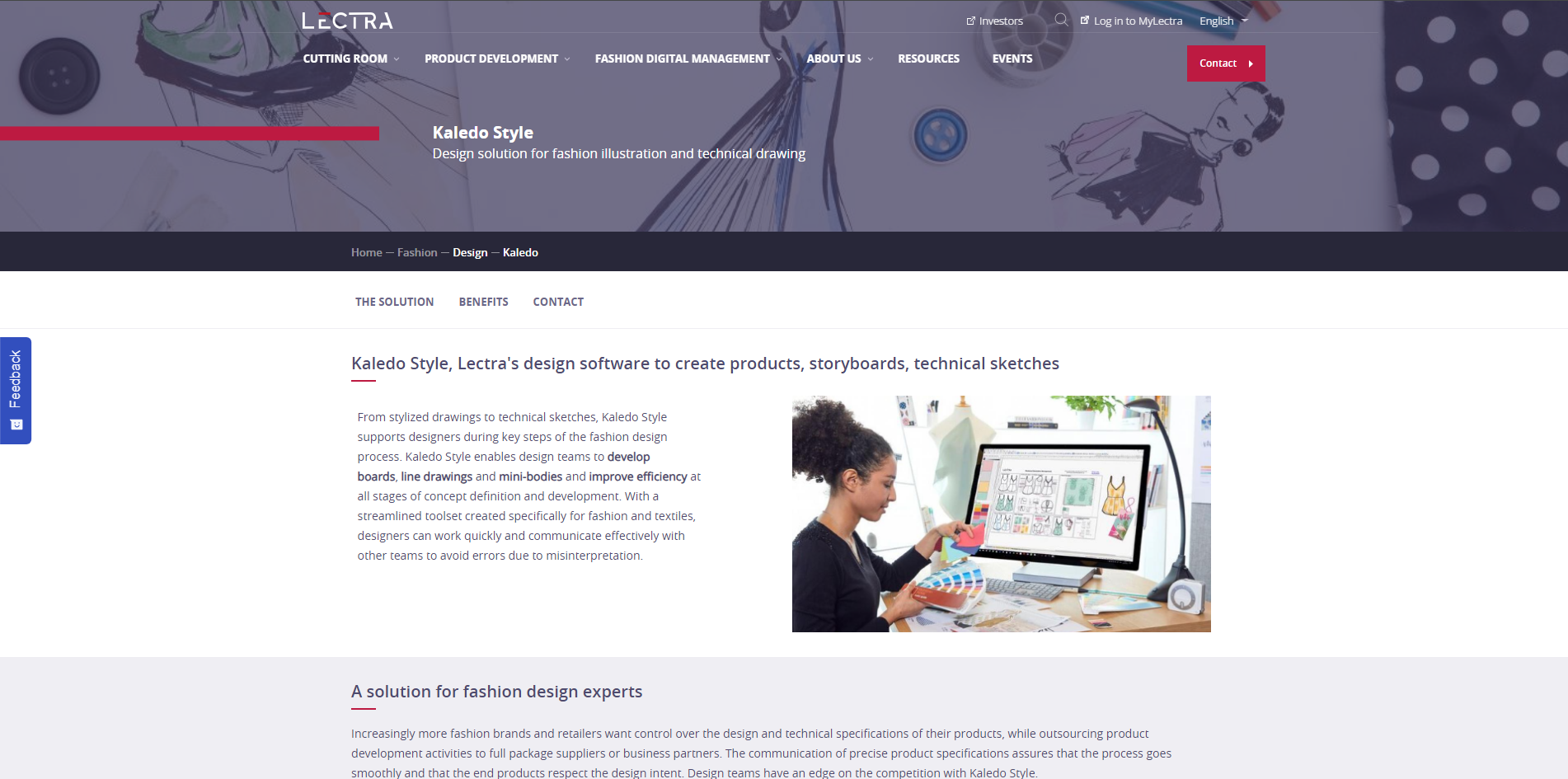
A design software that supports fashion designers in creating products, storyboards, and technical sketches with a streamlined toolset specific to fashion and textiles, allowing for efficient concept development and clear communication of design intent.
Product development software that assists in the creation of precise product specifications quickly and easily, helping fashion brands maintain control over design and technical specifications while collaborating with full package suppliers or business partners.
An integrated approach to fashion production that covers everything from product development to cutting room automation, offering fashion brands an efficient workflow and customizable manufacturing process.
Advanced cutting equipment and solutions designed to support the furniture, fashion, and automotive industries by providing high-ply and low-ply fabric cutting options for a range of production needs, ensuring maximum uptime, speed, and quality.
Brings 50 years of industry experience, offering innovative and unique solutions like Kaledo Style for fashion illustration
Invests significantly in R&D, showcasing a strong commitment to continuous improvement and development
Provides a comprehensive range of equipment and digital management tools for the fashion industry
The breadth of Lectra's offerings may be overwhelming for small businesses or those seeking specific niche solutions
Upon signing up with Lectra, expect to be introduced to their range of design software solutions like Kaledo Style, specifically created for fashion illustration and technical drawing. Lectra's onboarding process will likely guide you through the efficient use of their design tools and offer support to ensure clarity in product specifications. To get started with Lectra, visit their website, explore the 'Fashion' section, and contact them to learn more about their solutions. If Lectra isn't the right choice, you can always check out the rest of our rankings.