Niksindian 220131 Alexa Desi Girl Fucked In T Best 2021 Jun 2026
Indian culture is a kaleidoscope of traditions, flavors, and values that have evolved over five millennia. To understand the lifestyle that stems from this heritage, one must look past the stereotypes and explore the intricate balance between ancient roots and a rapidly modernizing society.
This public link is valid for 7 days and shares a thread, including any personal information you added. This link or copies made by others cannot be deleted. If you share with third parties, their policies apply. Can’t copy the link right now. Try again later.
Food is the ultimate cultural ambassador. Indian food content has moved far beyond basic recipe tutorials.
As India continues to grow and evolve, its culture and lifestyle will undoubtedly continue to fascinate the world. Whether you're interested in history, art, music, or cuisine, India has something to offer every kind of traveler. So come and experience the vibrant tapestry of Indian culture and lifestyle – you won't be disappointed!
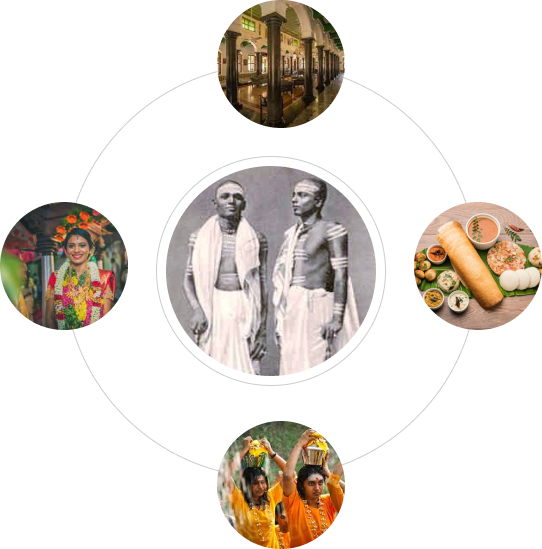
Nowhere is the synthesis of old and new more deliciously evident than in Indian cuisine. A typical Indian kitchen is a laboratory of spices—turmeric, cumin, coriander, cardamom, and chili—not just for flavor but for their medicinal properties as per Ayurveda. Food is deeply regional: the fiery curries of Andhra, the coconut-infused dishes of Kerala, the tandoori meats of Punjab, and the subtle, sweet-tinged fare of Gujarat. While the traditional thali (a platter with small portions of various dishes) remains an ideal meal, the Indian lifestyle has enthusiastically embraced global flavors. Pizza with paneer tikka toppings, Chinese hakka noodles, and "desi" burgers coexist alongside idli, dosa, and dal-chawal. The act of eating, historically done with the right hand while seated on the floor, now often takes place with a fork at a dining table, yet the intimate, messy joy of tearing a piece of hot naan to scoop up a curry is a pleasure that persists.
If you want one word to define the Indian lifestyle, it is Jugaad —the art of finding a low-cost, creative fix. It is not just a hack; it is a survival instinct.
Digital media has transformed how the world experiences India. The phrase "Indian culture and lifestyle content" is no longer just a search term. It represents a massive, multi-billion-dollar digital ecosystem. Creators, brands, and media houses now package centuries-old traditions into modern, bite-sized, and highly engaging formats.
This public link is valid for 7 days and shares a thread, including any personal information you added. This link or copies made by others cannot be deleted. If you share with third parties, their policies apply. Can’t copy the link right now. Try again later.
High-energy videos capturing the chaotic, mesmerizing art of Indian street vendors frequently gain millions of international views. 2. Fashion, Textiles, and Sustainable Living
The Indian fashion narrative is shifting away from fast fashion and returning to its roots.
 Welcome toNagarathar SangamOf north america

 Atlanta nagarathars welcome you toNagarathar Sangamof North America


 Atlanta nagarathars welcome you toNagarathar Sangamof North America
 Atlanta nagarathars welcome you toNagarathar Sangamof North America
 Atlanta nagarathars welcome you toNagarathar Sangamof North America