En Th

Ricardo - Wave Tutorial Upd

: Open the graphical user interface by navigating to the Ricardo > WAVE folder in your Start menu or typing wb in a Linux command prompt.

He relaxed. Suddenly, the movement became fluid. The energy from his chest moved to his shoulder, his shoulder pushed the elbow, and the elbow threw the hand out in a lazy, powerful arc. It wasn't a wave. It was a transfer of power .

The main visual workspace where you build and connect the components of your 1D fluid network.

Tutorial reports typically outline a six-step process for building a basic engine model, such as a Spark Ignition (SI) single-cylinder engine:

The Ultimate Ricardo Wave Tutorial: Master the Internet’s Most Iconic Dance Move ricardo wave tutorial

A man, known only as "Ricardo," walked across a sun-drenched piazza. He wasn't just walking. He was narrating his own existence with his shoulders. He performed a gesture—a smooth, circular wave that started at his chest, rolled through his arm, and ended with a finger-gun and a wink. It was absurd. It was majestic. It was the .

: Ensure duct elements are divided into small enough "sub-volumes" for accurate wave propagation.

Always compare your model’s output against experimental engine test bench data.

. You can use predefined tags or import custom cam specs from Excel (.txt tab-delimited) Combustion Model SI Engines : Often use the Wiebe model. Diesel Engines Diesel Web submodel, specifying burn fraction and start of combustion 4. Fuel & Injection : Open the graphical user interface by navigating

: He adds a fuel injector, specifying the nozzle diameter and spray angle to ensure the air-fuel mixture is perfect. The Invisible Fire

Brake torque, power, and fuel consumption.

Add a fuel injector component and specify the fuel type and mass flow rate. 4. Running & Validation

Modern research uses WAVE to simulate complex scenarios like water injection (to reduce knock) or the combustion characteristics of hydrogen and complex fuel blends. The energy from his chest moved to his

Stand with your feet slightly wider than shoulder-width apart.

Use to create plots of pressure waves in the exhaust system to understand scavenging.

Connect the junction to a and finally an Exit Ambient block. Step 5: Assign Simulation Parameters Define the Engine Speed (e.g., 3000 RPM) and the Fuel Type . 4. Tutorial 2: Adding a Turbocharger (TC) Component


: Open the graphical user interface by navigating to the Ricardo > WAVE folder in your Start menu or typing wb in a Linux command prompt.

He relaxed. Suddenly, the movement became fluid. The energy from his chest moved to his shoulder, his shoulder pushed the elbow, and the elbow threw the hand out in a lazy, powerful arc. It wasn't a wave. It was a transfer of power .

The main visual workspace where you build and connect the components of your 1D fluid network.

Tutorial reports typically outline a six-step process for building a basic engine model, such as a Spark Ignition (SI) single-cylinder engine:

The Ultimate Ricardo Wave Tutorial: Master the Internet’s Most Iconic Dance Move

A man, known only as "Ricardo," walked across a sun-drenched piazza. He wasn't just walking. He was narrating his own existence with his shoulders. He performed a gesture—a smooth, circular wave that started at his chest, rolled through his arm, and ended with a finger-gun and a wink. It was absurd. It was majestic. It was the .

: Ensure duct elements are divided into small enough "sub-volumes" for accurate wave propagation.

Always compare your model’s output against experimental engine test bench data.

. You can use predefined tags or import custom cam specs from Excel (.txt tab-delimited) Combustion Model SI Engines : Often use the Wiebe model. Diesel Engines Diesel Web submodel, specifying burn fraction and start of combustion 4. Fuel & Injection

: He adds a fuel injector, specifying the nozzle diameter and spray angle to ensure the air-fuel mixture is perfect. The Invisible Fire

Brake torque, power, and fuel consumption.

Add a fuel injector component and specify the fuel type and mass flow rate. 4. Running & Validation

Modern research uses WAVE to simulate complex scenarios like water injection (to reduce knock) or the combustion characteristics of hydrogen and complex fuel blends.

Stand with your feet slightly wider than shoulder-width apart.

Use to create plots of pressure waves in the exhaust system to understand scavenging.

Connect the junction to a and finally an Exit Ambient block. Step 5: Assign Simulation Parameters Define the Engine Speed (e.g., 3000 RPM) and the Fuel Type . 4. Tutorial 2: Adding a Turbocharger (TC) Component
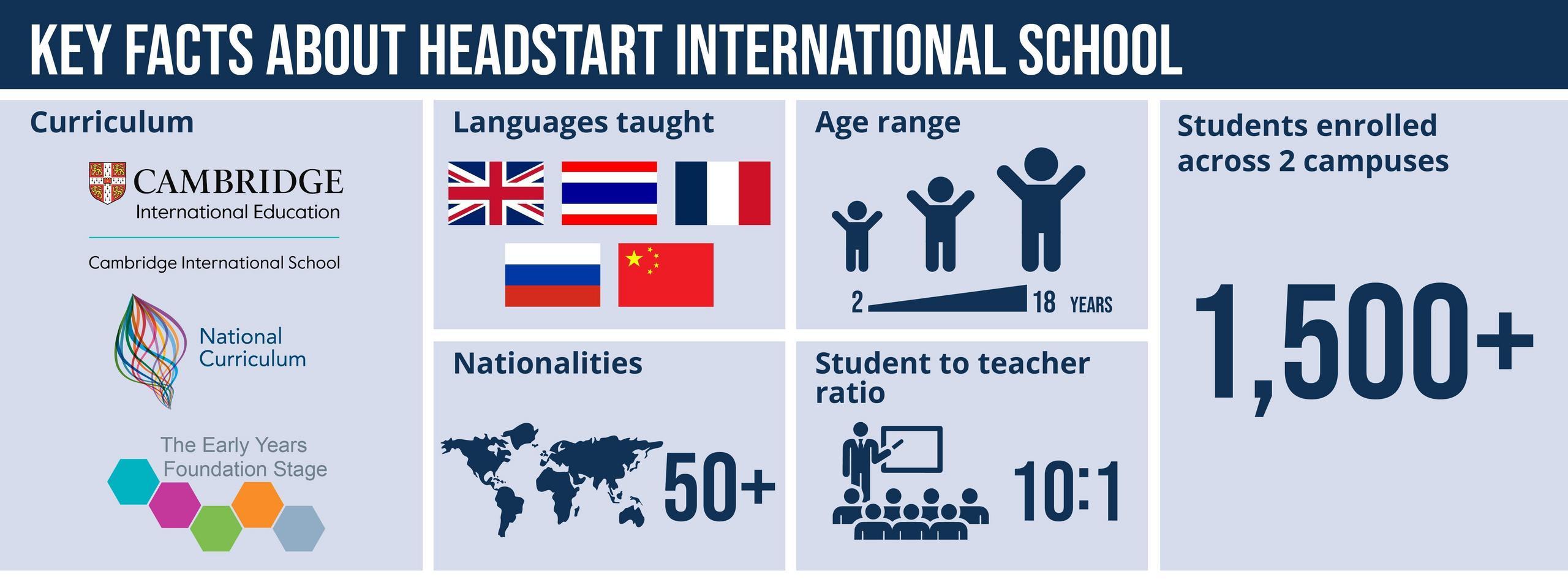
HeadStart Key Facts logo updated 2025
Default 4dc4830b b6a9 4398 8a43 b2827ce58132Default f064f010 782f 45c2 8c22 61b4bb0cdf5bDefault 8b63266f 1d5e 4479 8635 9fd4e3dcdf2fDefault 288e8bd1 da42 4211 baf4 9d7557deca7bDefault 936285ea 66a7 4dcc a2c1 4717b3d7988dDefault cda37e10 5767 4c87 9748 95d7b2bedbe9Default e5e0accd cdfa 4fe4 8b7b 7bd7189fa5b3Default c1e478c2 232a 4edc 9f6f b9e14670fd34Default 4fc2d169 731f 4e38 882b 7e5c0ac7b8e0Default 95a1e377 f695 43ae 9a9c 9b54158dfc6e